

Early Language Acquisition in 2-6 Year-Olds: How Kids Learn Language Effortlessly
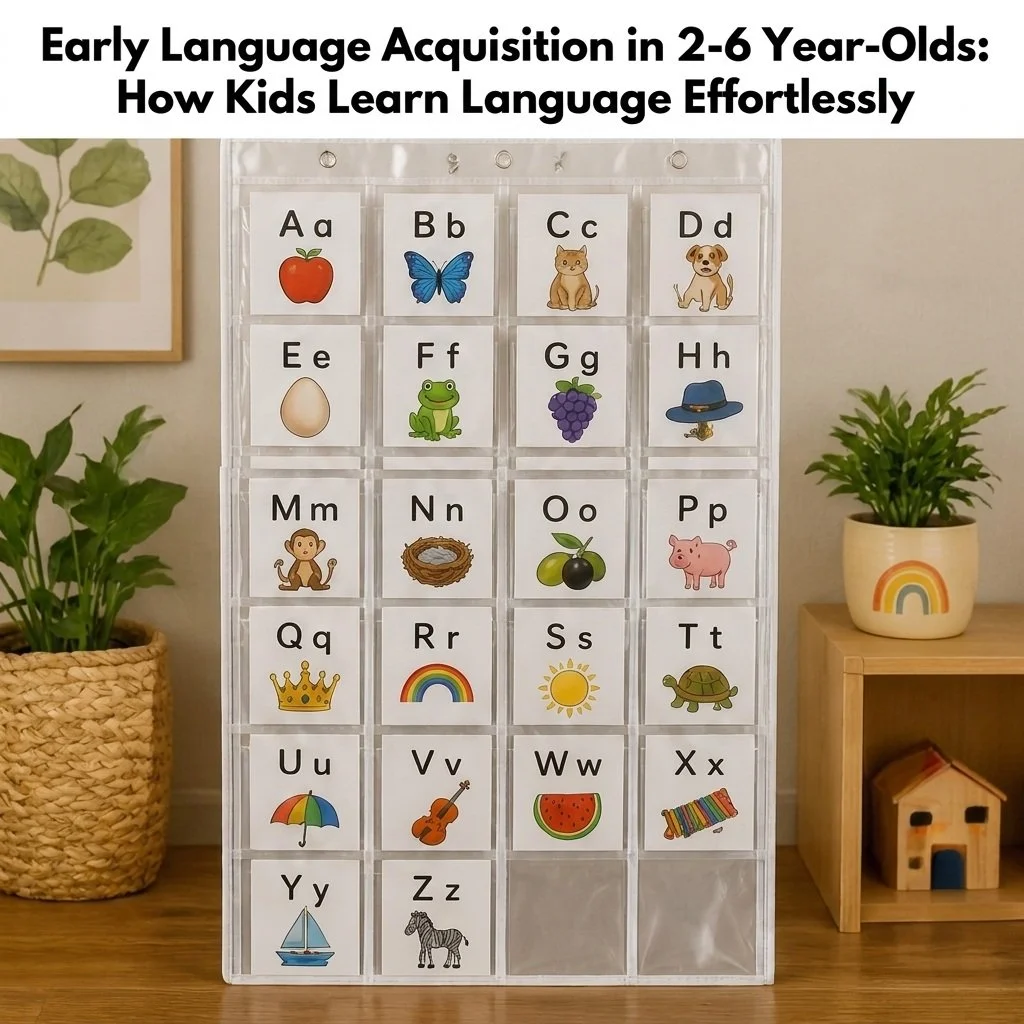
Creating an engaging and educational environment for young children is essential, especially when it comes to language acquisition. This project focuses on helping kids learn language effortlessly by pairing alphabet cards with illustrated vocabulary picture cards. Not only is this activity fun, but it is also an effective way to build a solid foundation in language for children aged 2-6. By incorporating sensory elements and hands-on activities, your child will have an enriching experience while playing and learning. You may also find Cupcake Liner Dahlia Bouquet Diy Centerpiece Kids useful.
Why You’ll Enjoy This Project
- Interactive Learning: Involving children in the making process fosters their creativity and keeps them engaged with the materials.
- Visual Aid: The combination of letters and corresponding images provides a clear representation of words, making it easier for kids to understand and remember.
- Customizable: You can mix and match cards to cater to your child’s learning pace and interests.
- Great for Group Activities: This project is perfect for classroom settings or playdates, encouraging collaboration among children.
- Reinforces Fine Motor Skills: As kids cut, pair, and organize the cards, they develop hand-eye coordination and dexterity.
You may also find Cupcake Liner Sunflower Wreath Craft For Kids useful.
Materials You’ll Need
- 26 clear plastic display pockets or a hanging organizer
- 1 set of printed uppercase and lowercase alphabet cards
- 1 set of illustrated vocabulary picture cards
- 1 pack of adhesive cardstock or labels
- 1 pair of safety scissors
Using a hanging organizer helps keep all the materials neat and organized. If you don’t have display pockets, an alternative could be using a simple cardboard display board to hold the cards. You may also find Melted Crayon Rainbow Butterfly Suncatcher For Kids useful.
How to Make Early Language Acquisition in 2-6 Year-Olds: How Kids Learn Language Effortlessly
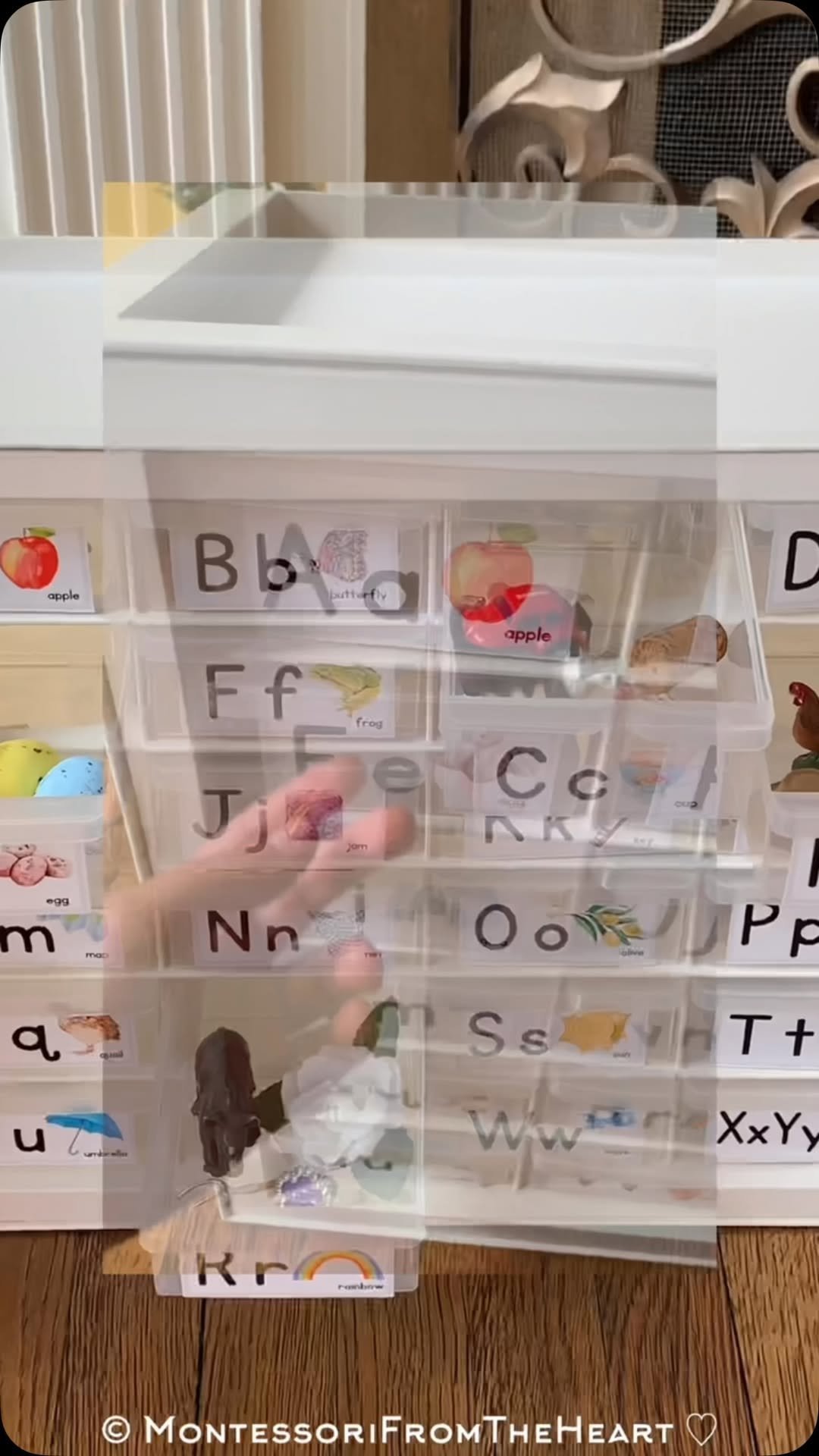
- Cut out all alphabet and vocabulary cards along the printed lines.
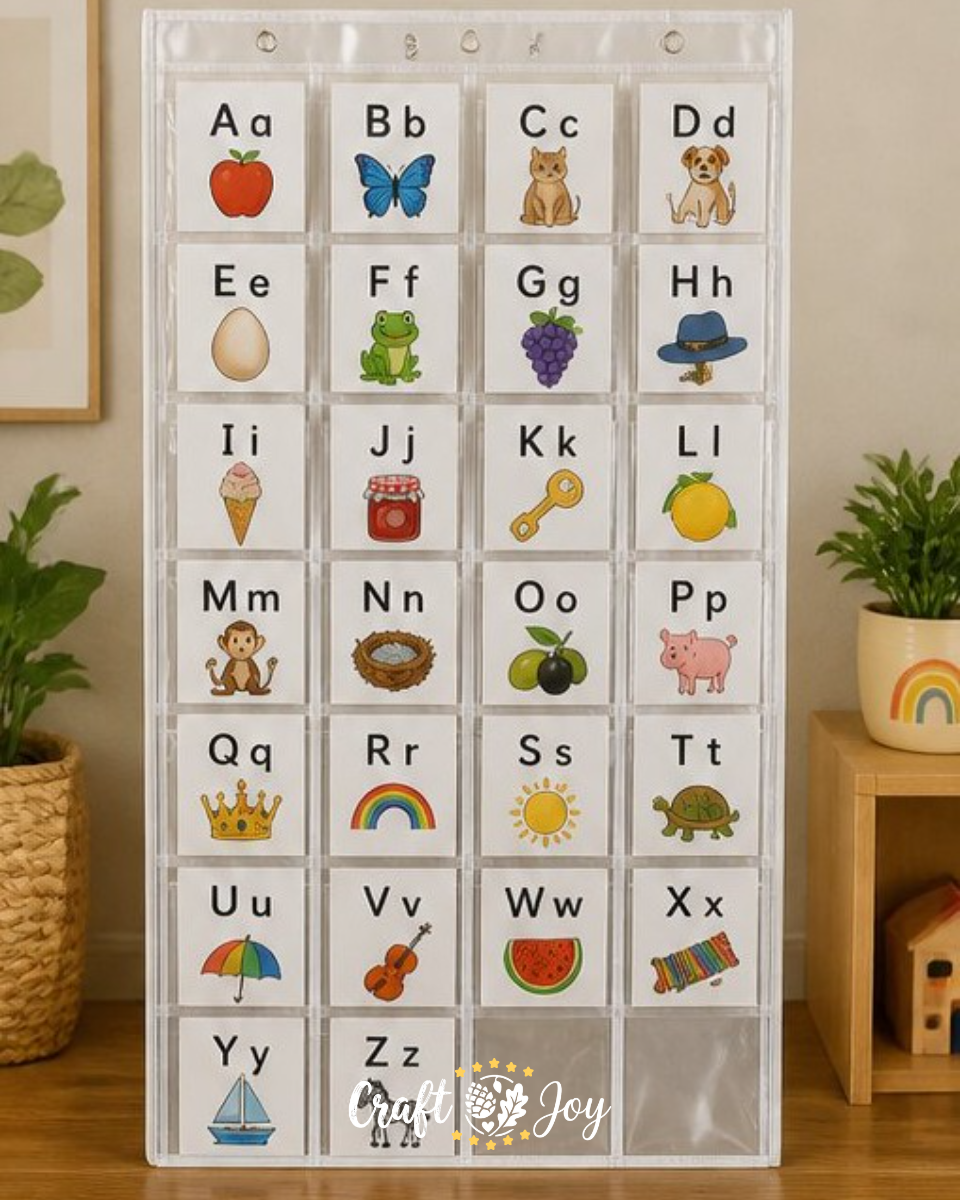
- Pair each letter card with a corresponding picture card that starts with that letter. For example, pair the ‘A’ card with an apple image.
- Slide the paired cards into the clear pockets of the organizer.
- Hang the finished display at a child-accessible height on a wall or door to encourage frequent use.
This simple structure helps kids identify letters and words each time they walk by. You may also find Melted Crayon Rainbow Heart Suncatcher For Kids useful.
Helpful Tips
- Ease of Assembly: When cutting the cards, you can stack multiple sheets together to speed up the process.
- Labeling: Use adhesive cardstock to create labels for each pocket, so kids can easily find what they’re looking for.
- Display Suggestions: Consider hanging the organizer near the play area or reading nook for maximum visibility.
- Supervise Kids: When using scissors, make sure to supervise younger children to ensure safety.
Easy Variations
- Theme-Based Cards: You can create cards based on themes like animals, colors, or seasons, allowing you to tailor learning experiences.
- Color Code: If using the kindergarten, pair letters with colors to make learning more vibrant and engaging.
- Size Variation: To fit different display spaces, consider making smaller or larger cards based on your preferences.
- Seasonal Cards: Use cards that correspond with holidays or seasonal themes for relevance throughout the year.
Making This Craft With Kids
This project is entirely suitable for kids aged 2-6, as it engages them actively. Younger kids may need assistance with cutting the cards, while older kids can handle most tasks on their own. Encourage them to verbalize what they are creating, as this can further reinforce language skills. You may also find Rainbow Monster Pencil Holders Diy Craft For Kids useful.
How to Display or Use It
To use your new language display, encourage your child to point to the letters and say the corresponding words aloud as they play. This interactive approach not only enhances learning but also makes it a fun activity. You could also change the cards periodically to maintain interest and challenge their learning continuously.
Frequently Asked Questions
Can I use this project for older kids?
Yes, you can create more complex words and images for older children or even include sentences for advanced learners.
What if my child struggles with certain letters?
Focus on those letters by creating additional cards that build their vocabulary around those specific sounds.
How can I keep the cards safe?
Store any extra cards and supplies in a dedicated box or container to keep everything organized.
Can I use different materials?
Certainly! You can adapt the project using cardstock or even recycled items for a more eco-friendly approach.
What if we want to make it a game?
Turn it into a matching game, where children have to match letters with images over time.
Conclusion
Fostering early language acquisition can have a significant impact on a child’s development. By engaging in projects like this, children can learn in an enjoyable and interactive manner. To further enhance your understanding of this process, you may find valuable insights in Speech and Language Developmental Milestones and learn more about early language learning from How young children learn language and speech – PMC.
Print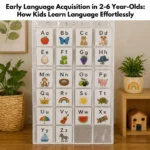
Early Language Acquisition in 2-6 Year-Olds: How Kids Learn Language Effortlessly
- Total Time: 30 minutes
- Makes: Varies based on the number of cards created
Description
An engaging project to help kids learn language effortlessly by pairing alphabet cards with illustrated vocabulary picture cards.
Materials
- 26 clear plastic display pockets or a hanging organizer
- 1 set of printed uppercase and lowercase alphabet cards
- 1 set of illustrated vocabulary picture cards
- 1 pack of adhesive cardstock or labels
- 1 pair of safety scissors
Instructions
- Cut out all alphabet and vocabulary cards along the printed lines.
- Pair each letter card with a corresponding picture card that starts with that letter.
- Slide the paired cards into the clear pockets of the organizer.
- Hang the finished display at a child-accessible height on a wall or door to encourage frequent use.
Notes
Ensure to supervise younger children when using scissors.